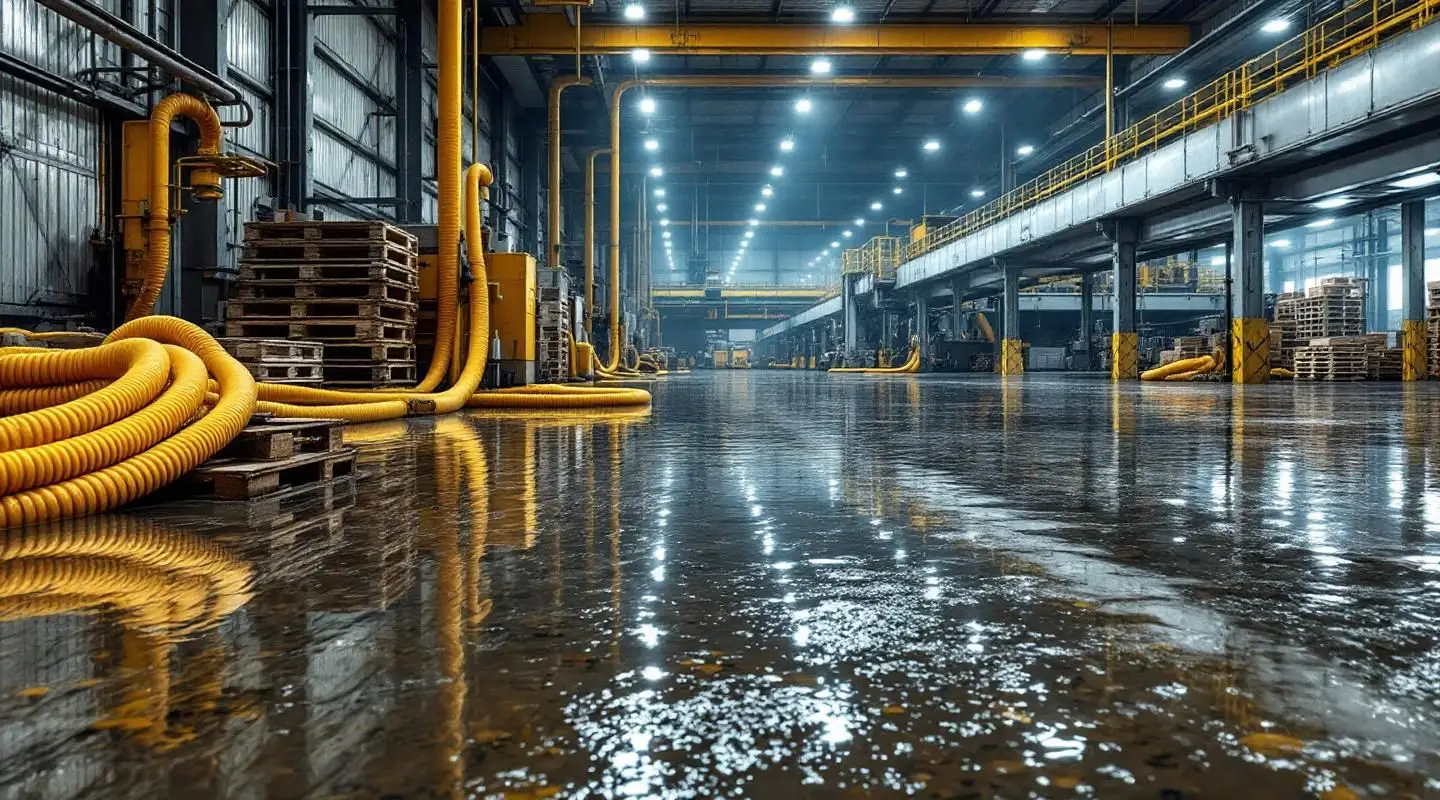
When a large-loss water event strikes your commercial facility, the clock doesn’t just tick; it echoes through your bottom line. In a city like Los Angeles, where a single atmospheric river can overwhelm aging storm drains and inundate a 50,000-square-foot distribution center in hours, you don’t need a residential carpet cleaner. You need a specialized team capable of managing Category 3 water intrusion and complex structural drying. We understand that every hour your floor is submerged is an hour of lost productivity, supply chain disruption, and potential lease penalties.
Our approach follows the strict IICRC S500 standard, but we apply it with the grit required for industrial environments. We don’t just pull up standing water; we perform comprehensive moisture mapping and use thermal imaging inspection to find where the moisture is hiding behind heavy-duty racking or deep inside post-tension concrete slabs. If you are dealing with effluent contamination from a sewage backup or stormwater surcharge, our crew handles the containment barriers and hazardous waste manifests required by CalEPA, ensuring your facility remains compliant while we work toward stabilization.
Speed is your greatest ally in preventing secondary damage like mold or subfloor saturation. By deploying commercial desiccant dehumidification and high-volume industrial air movers, we manipulate the psychrometric readings of your building to pull deep-seated moisture out of dense materials. This isn’t just about aesthetics; it’s about business interruption mitigation. Our experienced technicians provide the defensible scope of loss documentation your insurance adjuster requires, moving the project from chaos to a line-item estimate in Xactimate without the typical friction of commercial claims.
Whether you are managing a multi-tenant office complex in Downtown or a fleet maintenance bay near the port, we prioritize keeping your operations partially functional whenever possible. We use psychrometric science to ensure that the concrete slab drying process is moving at the right pace, preventing the ‘rebound’ humidity that often ruins inventory days after a crew leaves. You get a partner who knows the difference between a residential leak and an industrial catastrophe.
The primary benefit of professional industrial flood cleanup is the radical reduction of downtime. When a large-loss water event strikes your Los Angeles facility, the clock isn’t just ticking on property damage; it’s ticking on your supply chain and lease obligations. You need a response that understands the scale of a warehouse or a multi-tenant office complex. We focus on business interruption mitigation by deploying high-capacity commercial desiccant dehumidification systems that pull moisture from deep within the building’s envelope, far beyond what standard portable units can achieve.
Speed is irrelevant if the drying isn’t verified. Our experienced technicians use scientific moisture mapping and psychrometric readings to ensure that subfloor saturation in post-tension concrete slabs is fully addressed. If you leave moisture trapped under a slab, you’re inviting long-term structural issues and mold. By using industrial air movers and containment barriers, we isolate the affected zones, allowing your team to potentially remain operational in unaffected wings of the building. This targeted approach prevents the spread of effluent contamination and keeps your regulatory exposure to a minimum.
Finally, we provide the defensible data your insurance carrier demands. Every step of our process follows the IICRC S500 standard, and we produce detailed scope of loss documentation. This includes daily drying logs and thermal imaging inspection reports that justify the claim. Instead of guessing when the building is dry, you have a paper trail that satisfies adjusters and protects your asset’s value. We don’t just clear the water; we provide the technical proof that your facility is safe for re-occupancy.
Rapid Business Continuity — We prioritize getting your production lines or office floors back to functional status to stop the bleed of daily operational losses.
Deep Structural Drying — Using commercial desiccant dehumidification, we extract moisture from dense materials like concrete slabs and masonry that residential equipment cannot touch.
Accurate Moisture Mapping — Our crew uses thermal imaging inspection to find hidden pockets of Category 3 water intrusion behind walls and under subfloors.
Audit-Ready Documentation — We provide comprehensive drying logs and Xactimate estimates that align with the IICRC S500 standard for seamless insurance claim processing.
Environmental Safety — We manage effluent contamination and hazardous material disposal in strict accordance with CalEPA and Los Angeles County health regulations.
When a large-loss water event strikes your facility, every hour of standing water translates directly into lost revenue and potential structural compromise. In Los Angeles, our Industrial Flood Cleanup teams are structured for immediate mobilization, typically arriving on-site within two to four hours of your emergency call. We understand that for a warehouse or manufacturing plant, business interruption mitigation is the priority. Our experienced technicians arrive with high-capacity extraction units and commercial desiccant dehumidification systems ready to deploy, ensuring we stabilize the environment before moisture mapping reveals deeper subfloor saturation. We do not just show up; we arrive with the scale of equipment necessary to handle thousands of square feet without waiting for subcontractors.
The distinction between Category 1 and Category 3 water intrusion is critical for both safety and your bottom line. Category 1 is clean water from a broken supply line, while Category 3—often called black water—contains significant pathogens or effluent contamination, common in Los Angeles when aging stormwater systems surcharge during atmospheric rivers. For Industrial Flood Cleanup in Los Angeles, treating Category 3 requires hazmat-level PPE, specialized containment barriers, and strict adherence to CalEPA disposal regulations. You cannot simply dry out a Category 3 loss; porous materials like drywall or insulation must be removed, and non-porous surfaces like concrete slabs require aggressive antimicrobial treatment. We provide full scope of loss documentation to ensure your insurance carrier understands the necessity of these higher-cost sanitation protocols.
Many facility managers ask if they can remain operational during an Industrial Flood Cleanup project in Los Angeles. The answer depends on the layout of your building and the category of the water. By using heavy-duty containment barriers and negative air pressure, we can often isolate the affected zone, allowing your team to continue working in dry areas of the warehouse or office suite. We use thermal imaging inspection to pinpoint exactly where the moisture stops, so we do not disrupt more of your floor plan than necessary. However, if we are running large-scale commercial desiccant dehumidification or if there is a risk of cross-contamination from Category 3 water, we may recommend temporary closure of specific bays to ensure the safety of your staff and the integrity of the drying process.
Navigating a commercial insurance claim in California requires more than just photos; it requires defensible data. For every Industrial Flood Cleanup job in Los Angeles, we maintain detailed drying logs and psychrometric readings to prove the building has reached its dry standard according to the IICRC S500 standard. We use Xactimate, the same estimating platform used by most major adjusters, to ensure our line-item costs are transparent and easily approved. This level of documentation is vital for preventing claim disputes later. We also coordinate directly with your carrier to handle the billing, which reduces the administrative burden on your procurement team. For more information on our credentials, you can check the California Contractors State License Board to verify our active standing and specialized classifications.
Industrial Flood Cleanup at a commercial scale in Los Angeles requires far more than standard shop-vacs or residential fans. We deploy industrial air movers and large-loss desiccant dehumidifiers capable of pulling hundreds of pints of moisture from the air daily. This is especially important for Los Angeles properties with post-tension concrete slabs, which hold moisture far longer than wood-frame buildings. Our technicians use moisture mapping and thermal imaging to track the progress of the drying cycle, ensuring that subfloor saturation is fully addressed before we pull our equipment. Having a massive inventory of specialized tools allows us to handle large-scale events in-house, giving you the confidence that we will not disappear mid-project because we had to return rented equipment.
Don’t let a large-loss water event turn into a permanent business failure. When your Los Angeles facility takes on water, the clock starts ticking against your inventory, your machinery, and your lease obligations. We focus on aggressive business interruption mitigation to keep your doors open or get them back open faster than the competition. You can’t afford to wait for a residential-scale crew to show up with underpowered tools while your concrete slabs soak up moisture.
You need a crew that understands the scale of a warehouse or a multi-tenant office tower. Our experienced technicians arrive with the heavy-duty desiccant dehumidifiers and high-volume extractors required to stabilize the environment immediately. We handle the documentation and the dirty work so you can focus on your operations. Call us now to mobilize a team that knows how to protect your assets and your bottom line.
When an atmospheric river hits the Los Angeles basin, your warehouse or manufacturing facility isn’t just dealing with a few puddles; you’re facing a large-loss water event that threatens your entire supply chain. If you let Category 3 water intrusion sit on a post-tension concrete slab for even twelve hours, you aren’t just looking at wet floors—you’re looking at a ticking clock on structural integrity and microbial growth. You need a team that understands how aging stormwater infrastructure in LA frequently surcharges, sending contaminated effluent into your loading bays and production zones with very little warning.
Professional remediation is about more than just sucking up standing water. Our experienced technicians use commercial desiccant dehumidification and high-static industrial air movers to pull moisture from deep within porous materials that standard equipment simply can’t touch. We rely on precise moisture mapping and daily psychrometric readings to ensure that subfloor saturation is fully addressed, preventing the hidden mold that often triggers lease penalties or health department shutdowns months after the event. Without a documented drying log that meets the IICRC S500 standard, you risk an insurance adjuster denying parts of your claim because the scope of loss wasn’t properly verified with thermal imaging inspection data.
You also have to consider the specific regulatory landscape here in Southern California. If floodwater at your industrial site contains hazardous materials, heavy metals, or oils, you cannot simply pump it into the municipal sewer. We manage the containment barriers and ensure strict compliance with CalEPA and LA County rules for contaminated effluent disposal, providing the necessary waste manifests to protect your business from environmental liability. Ignoring the complexity of a commercial flood is a recipe for long-term financial loss; getting the drying process right the first time ensures your facility stays operational and your asset value remains intact despite the storm.
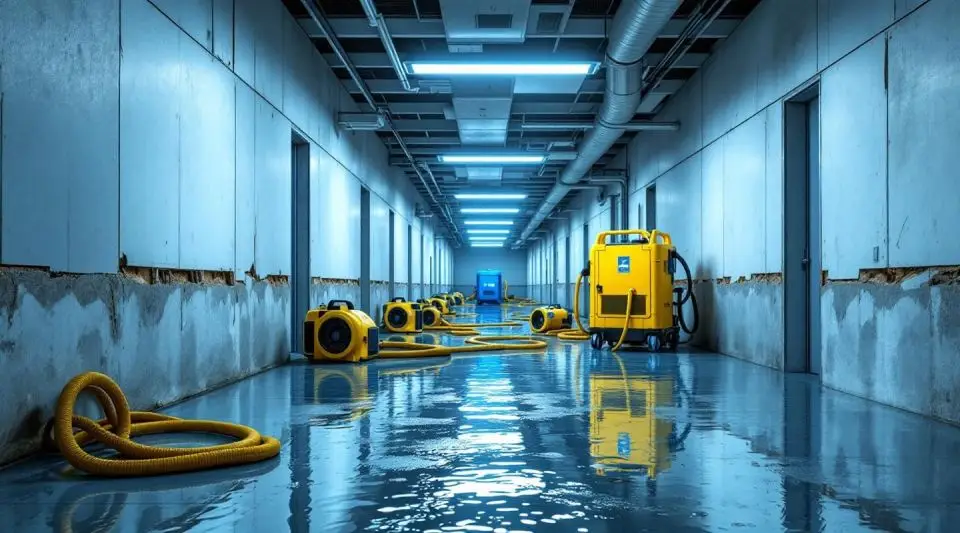
When a main line bursts or an atmospheric river overwhelms a flat commercial roof in Los Angeles, the clock starts ticking against your bottom line.
Learn more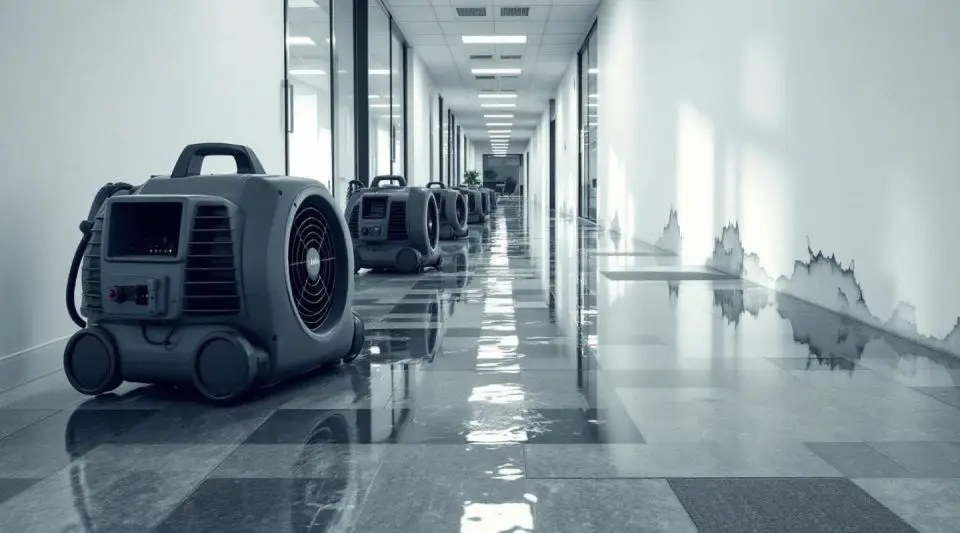
Our expert team delivers immediate office building flood repair in San Diego to protect your commercial infrastructure and ensure your staff can return to a safe, dry workspace as quickly as possible.
Learn more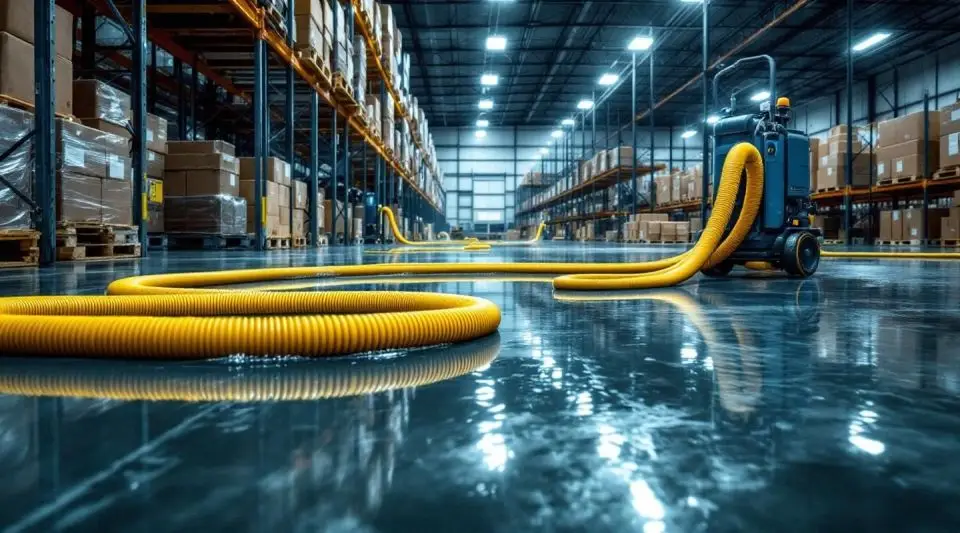
When a main line breaks or an atmospheric river hits a logistics hub in Los Angeles, the clock starts ticking against your bottom line.
Learn more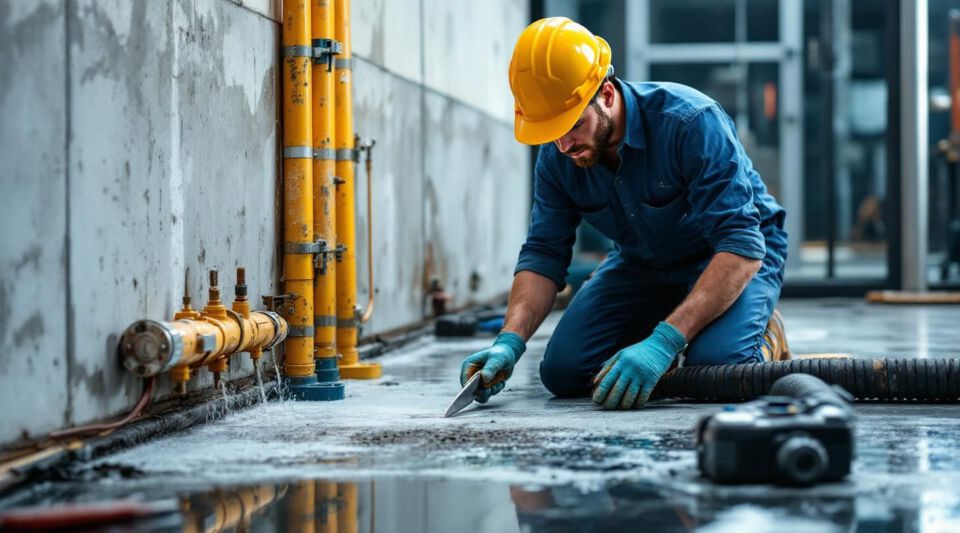
When a guest room flooding event occurs in a high-occupancy Los Angeles hotel, the clock doesn't just tick; it costs.
Learn more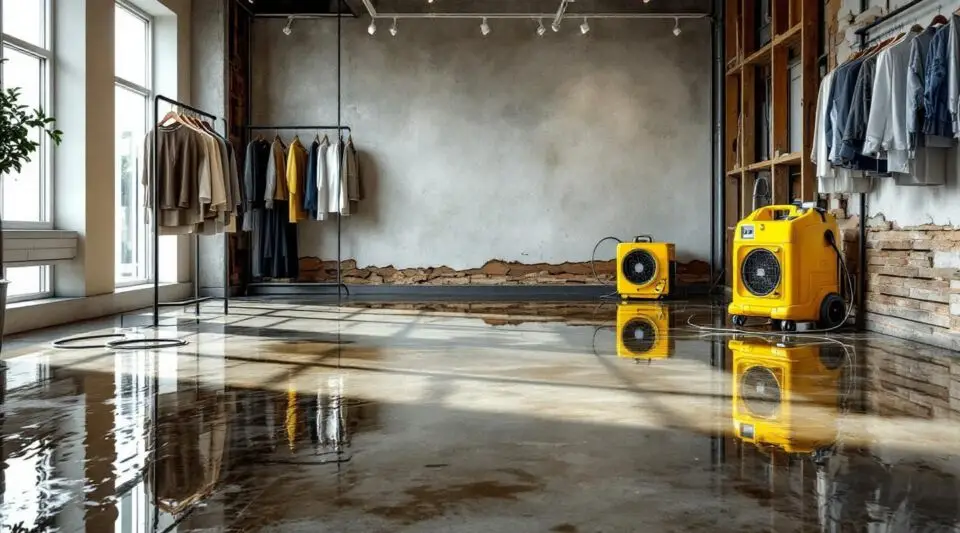
When a pipe bursts or an atmospheric river overwhelms your storefront’s drainage, the clock starts ticking against your bottom line.
Learn more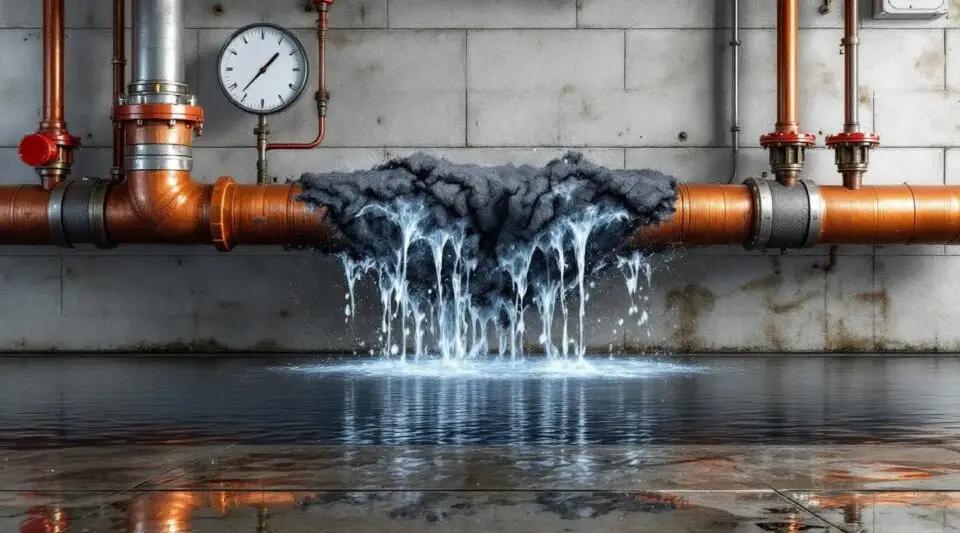
When a pressurized pipe failure occurs in a high-rise office or a retail complex, the clock starts ticking against your bottom line.
Learn more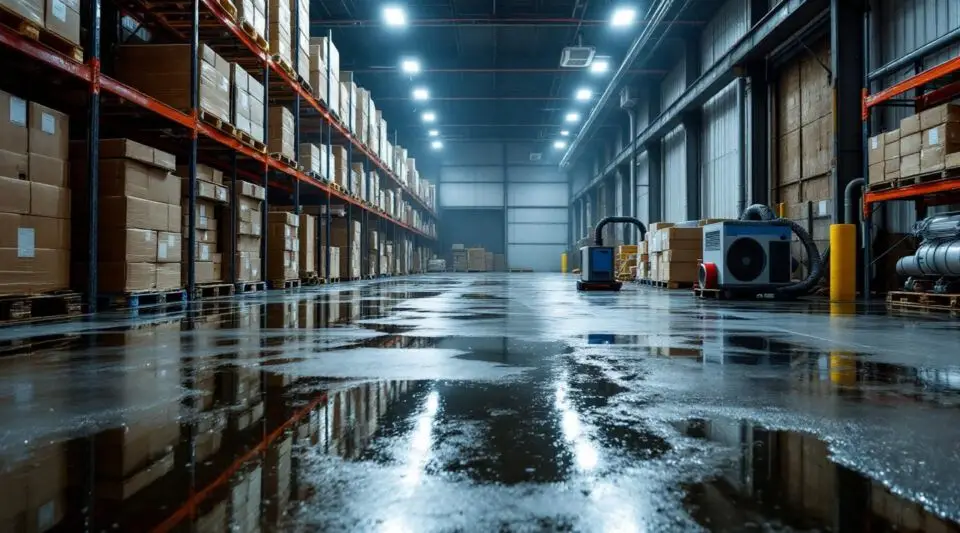
Our specialized team delivers rapid water extraction and industrial-grade structural drying to protect your inventory and restore your San Diego commercial facility to full operation after a flood.
Learn moreOver the weekend, a water line broke in my small workplace. The carpet was damaged by Monday morning. This business sent a crew out the same day to clean up the commercial water damage quickly and effectively. Kept downtime to a minimum.
yuliyan dzhenev
There was a big plumbing leak in our flat that ruined two rooms. This business was quick to respond and worked closely with our property manager. They took care of the water removal, drying, and repairs without getting in the way of our daily lives too much.
Blanche Turner
We found mold in the closet where our HVAC system resides. They completed a thorough check and had no issue finishing the repairs. The system functions perfectly now that the stench is gone.
Marilyn Watts
The water pipe from the fridge developed a steady leak that saturated the hardwood floors over time. The restoration team took up the boards, dried the subfloor, and even helped match the new flooring. nice work and nice communication all the time.
Angela Carrier
The service they offered to get rid of mold in our crawl space made a tremendous difference in the air quality in our home. They sealed off the area and fixed all the problems with the dampness.
Karla Espinoza